

How to keep your child safe at school: tips for parents
It's normal for parents to be concerned about their child's safety, whether they are in kindergarten or about to graduate from elementary school. Sometimes moms and dads feel helpless when it comes to protecting their children at school. This article provides practical tips and advice on how to keep your child safe, even when they are on school grounds.
Content :
What are the basic safety rules for children?
8 Ways to Help Your Child Stay Safe at School
When and how to check the safety of your child?
FAQs
What are the basic safety rules for children?
Schools have basic safety rules that children must follow. These rules may vary depending on the school. However, some common regulations may include:
Enter and exit the building at a specific time Only leave the classroom with permission Avoid loitering in the hallways Follow instructions from teachers and staff Use stair railings Respect personal space Report any suspicious or dangerous situation to the adults Treat school property with care Students should also be familiar with emergency exit routes and procedures, as well as understand the importance of respectful behavior toward classmates and staff.
Other rules may establish what type of backpack a student can wear, where they are allowed to eat lunch, and who can pick them up from school when they are sick.
Parents can reinforce these ground rules at home, so children know what to expect in the school environment. Parents can also set specific rules for children outside of school, such as asking permission before leaving the house or using a safe word before going somewhere with an acquaintance or stranger. Ultimately, parents and teachers can work together to protect children no matter where they are during the day.

8 Ways to Help Your Child Stay Safe at School
Maintain their health (physical and mental) Perhaps the most fundamental way parents can protect their children at school is to strengthen their physical and mental health. The healthier and more confident a child is, the better equipped they will be to protect themselves when Mom, Dad, or another trusted adult is not around.
In addition to regular visits to the pediatrician, it may be a good idea to also monitor a child's mental health. Any symptoms of childhood depression, anxiety or behavioral problems should be treated immediately. Doctors can write referrals to mental health specialists for these and other conditions.
Of course, providing a safe and structured home environment can be crucial to a child's well-being, now and in the future. This may include establishing a routine for the school day, including a healthy breakfast, a place to do homework, and a reasonable bedtime. Focusing on good nutrition and physical activity can also support a child's physical and mental health.
How are you keeping children safe at school during the Covid pandemic? There are also steps parents can take to protect children from Covid at school. These may include:
Provide hand sanitizer Set a good example for hand washing Sick children should stay home from school until they are well enough to return.
Create a safe space for your child to share their feelings
Just like adults, children need to know that their feelings are valid and valued. It is normal for them to have some fears and anxieties about school. This could include concerns about bullying, school violence and peer pressure, for example.
Parents can create a safe environment at home where their children feel comfortable talking about these feelings. Processing emotions at home in healthy ways can make them more confident and secure in the school environment. Here are some tips to encourage healthy communication between parents and children:
Ask open-ended questions about the school; avoid closed questions Practice active listening, not just listening to respond. Avoid excessively emotional responses, even if some events are upsetting. Try to stay calm Reassure children that their feelings are normal. Communicate Empathy Check the rules of the child's school Protecting a child at school could mean knowing what the school's rules and consequences are. Schools regularly provide handbooks and codes of conduct to parents and students at the start of each school year.
Parents should take the time to review these guidelines with their children and make sure they understand the school's rules and policies. Rules to be aware of might include:
Dress Code Visitor Policy Consequences of Harassment Guidelines on Use of Phones, Social Media and the Internet Emergency Procedures
Talk regularly with teachers and school staff
To keep children safe, parents may need to find additional support to stay informed about what is happening at their child's school. Perhaps the best way to do this is to stay in close contact with the child's teacher. Many schools establish a schedule of regular parent-teacher meetings. However, moms and dads can request meetings with their child's teachers at any time during the school year.
It might also be helpful to connect with other parents at school, especially those in the child's social circle. When parents communicate with each other, they can stay better informed about their child's activities at school and in extracurricular activities. Knowledge is power when it comes to protecting children and staying alert to a serious problem.
Encourage your child to be honest with you Communicating openly with children at home can be a step toward keeping them safe at school. Parents need to know what is happening during the school day in order to provide guidance and establish safety measures.
Children who feel comfortable talking to their parents about school issues may be better protected in the long term from the risks they encounter during the academic year. Here are some examples of questions moms and dads can ask to encourage their children to open up:
Who is your favorite/least favorite teacher? For what ? Have you seen anyone being harassed? Who are your new friends/classmates? Is your school a safe school? Where do you feel safest at school? Who can you talk to if something goes wrong or you get hurt? Are you allowed to go to school online? Do any of your friends self-harm? What was your favorite assignment this week?
Use technology if you need help

Keeping children safe at school is a big responsibility, and parents don't have to do it alone. In addition to teachers, administrators and school staff, technology can also play a role in protecting children on and off school grounds.
Should your child have a cell phone for emergencies? Parents often debate whether their child is old enough to have a cell phone. This is a personal decision, but moms and dads concerned about their child's safety at school might consider a cell phone to use only in emergencies.
Children too young to be responsible for a phone might benefit from a GPS smartwatch instead. Watches like Pingo Track can offer many parental control tools similar to a cell phone!
Parental control devices
Findmykids app
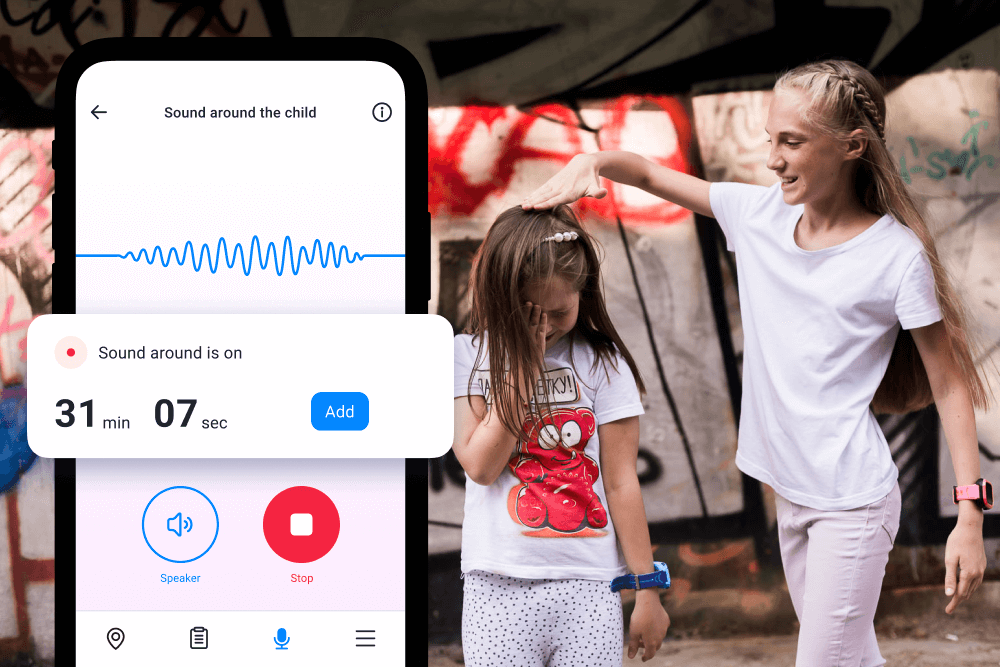
Parental control devices and apps such as Findmykids can be used in conjunction with a mobile phone or smart watch to keep children safe at school. With these tools, parents can monitor their child's location and activities remotely. Moms and dads can see their child's precise location on school grounds, monitor digital activities on their child's devices, and even access audio of their child's location.
Update School Records Another thing parents can do to keep their children safe at school is to make sure all school records are up to date. These records may include crucial information such as:
Known allergies and medical conditions Special dietary considerations Prescription medications Emergency contact information Pediatrician and child's address Health insurance information Family members and others authorized to pick up the child from school.
When and how should you check your child's safety?
When developing a school safety plan for children, moms and dads may be best served by putting their emotions aside. This can be difficult to do, but taking a logical approach that considers real risks and warning signs could be an effective strategy. Avoiding hyperanxiety and resisting the urge to be overprotective can allow children to enjoy the school experience while remaining safe. Planning for different scenarios such as a medical emergency, school shooting, or natural disaster could help parents keep a level head and remain a calm, steady source of support for their children.
Technology can also be an invaluable resource for parents looking to protect their children from dangers at school. With an app like Findmykids and a Pingo watch, moms and dads can track their children's location in real time and receive alerts when children arrive and leave the classroom or school premises. Kids also have an SOS button they can activate on their phone or watch to alert parents when they need help.
FAQs
At what age can a child go to school alone? Since children develop in unique ways, there is no fixed age at which a child can walk or bike to school alone. Taking precautionary measures, such as equipping children with location tracking technology, can benefit children regardless of their age.
What are the classroom safety rules? Classroom safety rules are crucial to maintaining a safe and productive learning environment. These rules usually include guidelines for appropriate behavior, such as remaining seated during class, raising your hand to speak, and respecting the personal space of others. Students are often instructed on how to safely handle classroom materials and follow teacher instructions promptly. Fire and emergency evacuation procedures are typically communicated, along with protocols for using equipment or tools.
By following these safety rules, students contribute to a positive and safe classroom experience for themselves and their peers.
What is the most important thing you can do to protect children? Communication is perhaps the most important tool to protect children. Speaking regularly with children, teachers and administrators and staying informed about school safety procedures is essential.


